Savvy Rest Tranquility Latex Mattress

A Practical Guide to Choosing Organic Mattresses: Materials, Benefits, and Care

Exploring the science, certification standards, and real-world tips for selecting organic mattresses that honor both comfort and the planet. In a landscape crowded with claims, this guide aims to illuminate materials, longevity, and responsible care that help you sleep soundly, night after night.

The phrase “organic mattress” sits at the intersection of comfort, health, and environmental stewardship. It’s not merely about shielding sleepers from synthetic additives; it’s about a holistic sleep system that respects the body and the ecosystem. Across the spectrum of organic offerings, two materials stand out for their balance of support and sustainability: organic latex and organic cotton. Latex, whether Dunlop or Talalay, offers responsive pressure relief and durability. Organic cotton, used in covers and quilting, provides a breathable, chemical-free skin contact surface. When these elements are combined with responsible certifications, an organic mattress becomes more than a product—it becomes a commitment to quality sleep and environmental integrity.

To navigate this space, readers should weigh materials, firmness, temperature regulation, and care. Certification labels like GOTS (Global Organic Textile Standard) for textiles and GOLS (Global Organic Latex Standard) for latex are not mere marketing marks; they are complex quality signals about sourcing, processing, and safety. This guide unpacks what those certifications mean in practice and how they translate into day-to-day sleep experiences. We’ll also offer a practical checklist for evaluating firmness, support, and contour, helping readers compare options without getting overwhelmed.

In the spirit of the box-as-metaphor—unboxing knowledge to reveal the contents inside—we’ll pull back the wrapping on materials, show you how to test feel, and explain how equal attention to care extends the life of an organic mattress. The goal: a confident purchase that aligns with health, comfort, and sustainability goals.

What makes a mattress organic?

An organic mattress emphasizes natural, unprocessed or minimally processed components that meet defined standards for purity, safety, and environmental responsibility. Most often this involves:

  • Organic latex (Dunlop or Talalay) produced from latex sap without synthetic blenders or toxic stabilizers.
  • Organic cotton covers and ticking, often certified to GOTS standards, which ensures the fiber, processing, and dyeing meet strict environmental criteria.
  • Natural or responsibly sourced wool for flame barriers or comfort layers, contributing to temperature regulation and moisture management.
  • Certified adhesives, if used, that avoid toxic components and excessive volatile organic compounds (VOCs).

Certifications function as road signs in a forest of claims. A mattress labeled organic may still incorporate other layers that aren’t organic, so readers should examine the full materials list and the scope of the certification. For example, a GOTS-certified fabric layer paired with GOLS-certified latex provides a credible organic basis, while ensuring the product remains comfortable and durable over time.

Materials in practice: latex and cotton, and the role of certifications

Latex comes in two primary forms—Dunlop and Talalay. Dunlop is typically denser and heavier, offering robust support with a slightly firmer feel, while Talalay can deliver a lighter, more buoyant, and contouring sensation. In organic mattresses, latex is often combined with natural fibers and wool to manage temperature, reduce motion transfer, and prolong durability. Organic cotton covers the skin with a soft, breathable texture, especially valuable for sleepers who overheat at night. Wool can also serve as a natural regulator, absorbing moisture and maintaining a stable sleeping climate.

Certifications explain where the materials come from and how they are processed. GOTS verifies organic status for textiles—from fiber to finished product, including dyeing and finishing. GOLS focuses on latex, ensuring that the latex is organic and produced under specific processing standards. Together, these certifications provide a framework for evaluating the organic integrity of a mattress and its components.

Firmness, support, and contour: how to test feel

Choosing firmness is less about a universal label and more about your body, sleep position, and personal preferences. The balance of support and contour matters: too soft, and pressure points may form; too firm, and you may experience stiffness or misalignment. When assessing an organic mattress, consider:

  • Sleep position: back sleepers often benefit from balanced support with medium firmness; side sleepers may prefer a bit more contour for shoulder and hip relief; stomach sleepers typically favor a firmer surface to prevent spine sagging.
  • Material behavior: latex tends to provide a buoyant feel with strong support and quicker response, while memory foam or other contouring foams may be less common in strictly organic builds.
  • Temperature and humidity: natural fiber layers and wool can promote airflow, helping regulate temperature for hot sleepers.

When possible, perform a practical test: lie down in your typical sleep position for several minutes, notice how the surfaces respond under your weight and movement, and assess whether your spine maintains a neutral line from neck through hips. For longer consideration, request a layered breakdown of materials and certifications so you can compare across brands with confidence.

Care and longevity: extending life with responsible practices

Organic mattresses benefit from thoughtful care that preserves materials and reduces wear. Practical tips include:

  • Use a breathable, organic cotton or wool cover to protect the surface and help regulate temperature.
  • Avoid harsh cleaners near the mattress; spot-clean only if necessary and allow adequate drying time to prevent mold or mildew.
  • Invest in a high-quality protector or encasement to guard against moisture, allergens, and dust mites while maintaining breathability.
  • Rotate the mattress per the manufacturer’s guidance to ensure even wear; for some latex mattresses, this may be less frequent than conventional foam mattresses due to durability.

Certifications in practice: how to read a label

Understanding the label helps separate marketing from measurable assurance. Look for:

  • GOTS certification on textiles: confirms organic status and environmentally responsible processing from fiber to finished textile.
  • GOLS certification for latex: ensures organic latex content and proper processing standards.
  • Fair labor and worker safety standards, which some brands disclose alongside organic certifications.
  • Treatment disclosures: verify the absence of toxic flame retardants, synthetic glues, and hazardous dyes where possible.

With transparent labeling, consumers can trace the journey of the mattress from raw material to finished product, and feel confident that what they bought aligns with their values and expectations.

A practical shopper’s checklist

  1. Define priorities: are you prioritizing pure organic material, or a balance of organic content with sleep performance?
  2. Check certifications: confirm GOTS and/or GOLS, and review any additional third-party validations.
  3. Evaluate layers: understand which layers are organic or natural, and what their specific roles are (support, contour, temperature regulation).
  4. Assess care and warranty: understand care requirements and the length and scope of the warranty.
  5. Consider sustainability footprint: how is the product packaged, transported, and disposed of at end of life?

Selected products to illustrate organic options

To ground the discussion in real-world options, consider these representative organic mattresses that embody the principles outlined above. Each product emphasizes organic materials, thoughtful construction, and credible certifications.

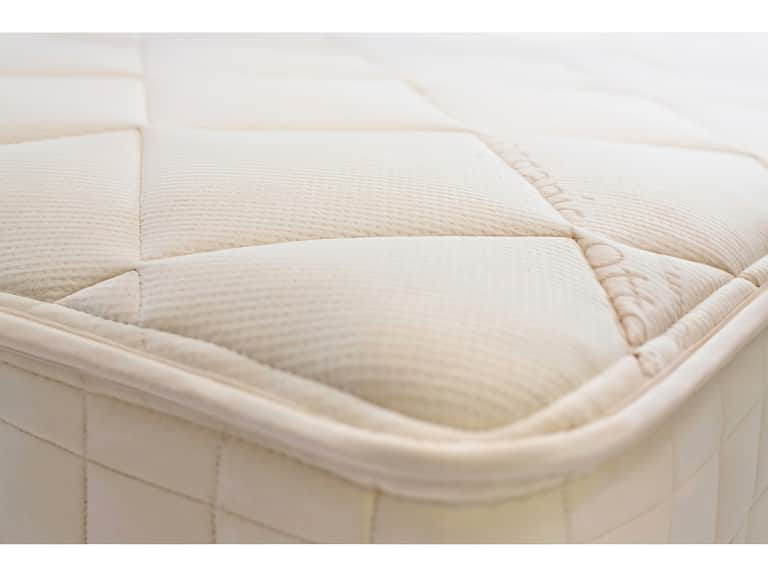
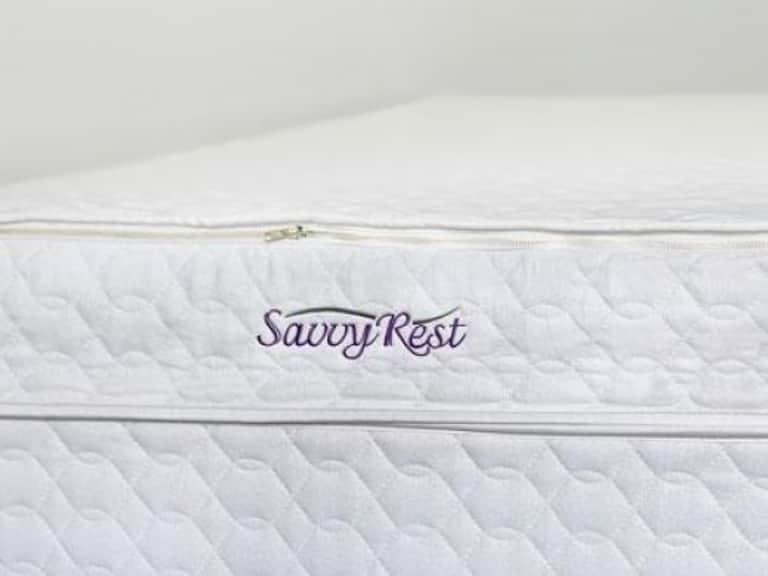
Savvy Rest Tranquility Latex Mattress
Savvy Rest Tranquility Latex Mattress — 7 inch

Organic wool, organic cotton, and Dunlop or Talalay latex; customizable layers; 20-year warranty.

A versatile choice for sleepers seeking a responsive, natural sleep surface with adjustable feel. Suitable for back and stomach sleepers who prefer a firm-to-medium profile.

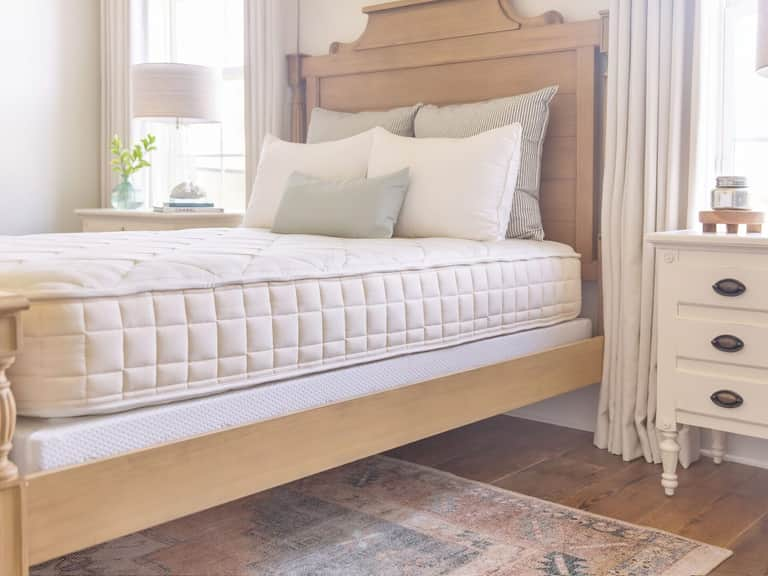
Naturepedic Chorus Organic Cotton Mattress

10" thick; organic cotton, organic wool, plant-based fibers; no glues or adhesives; boxed for easy shipping.

Naturepedic Chorus corner view
Organic options for a complete sleep system

These examples demonstrate how organic materials translate into different constructions—latex-based, innerspring with natural fibers, and layered cotton coverings—each with credible certification stories.

Note: Availability and product details may vary by region. Always verify current certifications and material disclosures with the retailer or manufacturer before purchase.

Three key individuals who shaped sleep dialogue (across time)

From early sleep science innovators to modern-day sleep advocates, certain figures stand out for reframing how we understand rest, materials, and bedroom environments. Here are three influential figures spanning distinct eras who helped progress dialogue around sleep health and materials.

1) Sir William Osler (1849–1919) — The physician who underscored the science of rest

Osler, a foundational figure in modern medicine, emphasized the importance of sleep for healing and bodily restoration. Though not a sleep researcher in the contemporary sense, his clinical observations about patient recovery highlighted the role of restful states in overall health. His approach to patient care—holistic, evidence-informed, and attentive to daily habits—echoes in today’s sleep hygiene conversations. Osler’s insistence on rigorous observation of patients’ rest patterns laid early groundwork for viewing sleep as a measurable, meaningful component of health, not a minor footnote.

2) Florence Nightingale (1820–1910) — Sleep environment as a public health imperative

Night­ingale’s innovations in hospital design—from clean air to lighting to noise reduction—centered on the healing power of environment. Her advocacy for sanitary conditions and patient comfort translated into broader understandings of how surroundings affect recovery. In the context of mattresses and bedding, Nightingale’s ethos anchors the modern expectation that sleep surfaces should prioritize hygiene, temperature regulation, and calm aesthetics—principles echoed in today’s organic and natural-materials moves.

3) West African weavers and the early textile standard-bearers (pre-20th century networks) — Materials as health determinants

Across centuries, textile artisans and early standard-bearers in global cloth production demonstrated that material choice—fiber type, weave, and finish—can affect wear, breathability, and comfort. While not a single named figure, the tradition of textile craftsmanship informs today’s organic textile standards. These communities laid the groundwork for the belief that the materials beneath us matter to health, comfort, and longevity, a thinking that modern organic mattress labeling expands and clarifies for consumers.

These snapshots illustrate a lineage: from medical pioneers recognizing rest's role in health to environmental and material advocates shaping how we shop for sleep. In a marriage of science and daily life, the mattress becomes a canvas upon which health, sustainability, and personal wellbeing are negotiated each night.

Conclusion: unboxing good sleep

Entering the marketplace with an informed eye on organic materials, certifications, and care is an act of stewardship—for health, for workers, and for the planet. The organic mattress, when thoughtfully chosen, offers a platform for durable comfort, temperature regulation, and the reassurance that materials align with ethical and environmental values. As sleep science continues to evolve, a well-chosen organic mattress remains a reliable ally in the pursuit of better rest.

To keep the dialogue grounded in credibility, readers should pursue brands that provide clear material disclosures, robust certifications, and transparent care guidelines. The end goal is not merely a certified label but a trusted sleep surface that supports wakeful days with restorative nights. In the spirit of informed unboxing, the path to better sleep begins with understanding what lies inside the box—and what those contents mean for you over the long arc of your life.

Further resources and reading

  • Global Organic Textile Standard (GOTS) certifications and what they cover
  • Global Organic Latex Standard (GOLS) and its implications for latex mattresses
  • Sleep science primers: circadian rhythm, sleep stages, and sleep hygiene basics
  • Care guides for organic mattresses and protectors to extend longevity

Content note: The article integrates representative product examples to illustrate organic options, including Savvy Rest Tranquility Latex Mattress and Naturepedic Chorus Organic Cotton Mattress. Availability and details may vary by retailer and region.

Related Products

Savvy Rest Tranquility Latex Mattress

Savvy Rest · No. SAVVYREST-ORGANIC-DUNLOP-TRANQUILITY-MATTRESS-7INCH

Savvy Rest Tranquility Latex Mattress

Affordable, customizable 7" organic latex mattress perfect for kids and smaller adults; breathable, low motion transfer, and easy to set up, with a 20-year warranty and a 90-day layer exchange to ensure the perfect feel.
Naturepedic Chorus Organic Cotton Mattress

Naturepedic · No. M61

Naturepedic Chorus Organic Cotton Mattress

Trustworthy organic comfort at a great price. 10" of premium cotton, wool, and coils delivers cool, pressure-relieving support—glue-free and flame-retardant free for healthier sleep. Ship-in-a-box easy setup, USA-made, 10-year warranty.
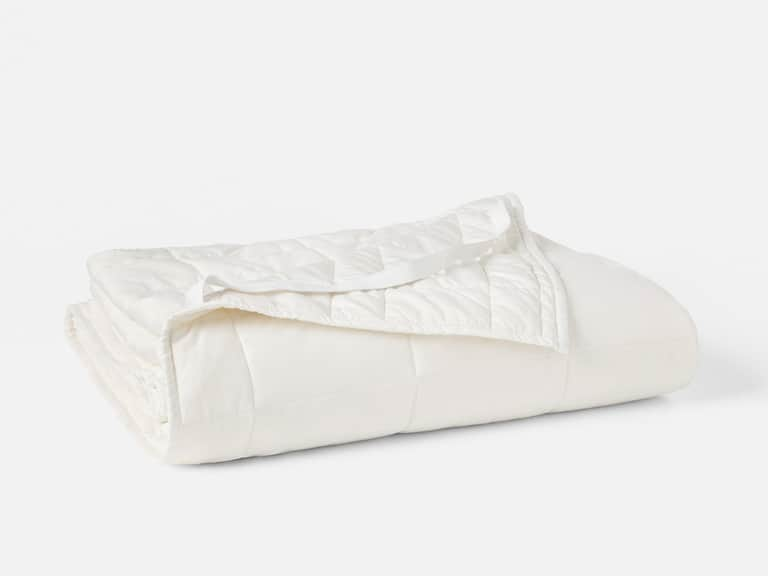
Washable Wool Filled Mattress Topper

Coyuchi

Washable Wool Filled Mattress Topper

Sleep cooler, softer nights with washable wool fill that breathes and cushions. Corner straps keep it in place; machine washable for easy care. Organic cotton shell feels luxe, while lasting comfort hugs you night after night.

Theme